
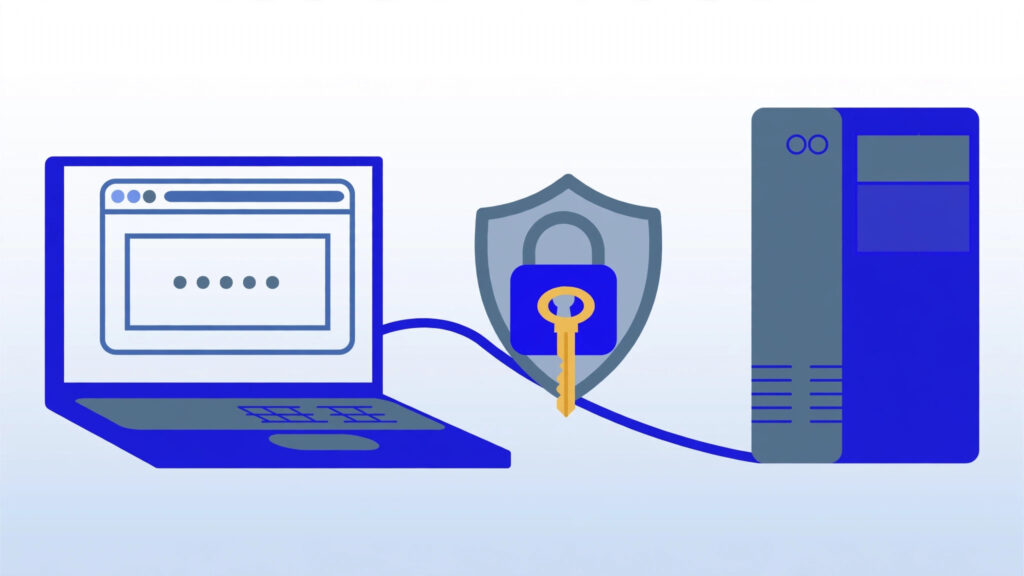
Learning how to change Windows RDP password safely is one of the simplest security habits you can build — yet doing it carelessly over a remote connection can lock you out of your own server. This guide walks you through three reliable methods to change your Windows Server password, plus the safety steps professionals take before touching credentials on a production machine. If you have ever asked yourself is RDP safe, keeping your password strong and up to date is one of the most important answers.
Table of Contents
Before You Change Anything: The Safety Checklist
Read this section first. It takes two minutes and can save you from a very stressful afternoon.
- Make sure you have a second way in. If your only access is RDP and something goes wrong, you are stuck. Check whether your hosting provider offers a web console, KVM, or VNC access as a backup route into the server.
- Know every place the password is used. If services, scheduled tasks, or applications run under this user account, changing the password will break them until you update the stored credentials too. Check the Services console (
services.msc) for any service running under your account before you begin. - Create or verify a second administrator account. Having another admin account is your safety net. If you get locked out of one account, you can log in with the other and fix things.
- Write the new password down securely. Use a password manager. A strong password you cannot remember is just a lockout waiting to happen.
Method 1: How to Change Windows RDP Password Over RDP (Recommended)
This is the standard method when you connect to a Windows VPS using Remote Desktop and are already logged in.
- While connected to your server via RDP, press Ctrl + Alt + End on your keyboard. (Note: this is the RDP equivalent of Ctrl + Alt + Delete — pressing Ctrl + Alt + Delete would affect your local computer, not the server.)
- A blue security screen appears. Click Change a password.
- You will see three fields: the username, the old password, and the new password. Type your current password, then type your new password twice.
- Click the arrow button or press Enter.
- Windows confirms “Your password has been changed.”
Your RDP session stays connected — you do not get disconnected when you change your own password this way. The next time you log in, use the new password.
Method 2: Change Another User’s Password via Computer Management
Use this method when you are an administrator and need to change the password of a different user account. If that account does not exist yet, follow our guide on creating additional RDP users on Windows Server first.
- Press Win + R, type
compmgmt.msc, and press Enter to open Computer Management. - In the left pane, expand System Tools, then Local Users and Groups, and click Users.
- In the middle pane, right-click the user whose password you want to change and select Set Password.
- Windows shows a warning that resetting a password this way can cause data loss for encrypted files and stored credentials. Click Proceed if you understand the warning.
- Enter the new password twice and click OK.
This method resets the password immediately without asking for the old one, which is why it requires administrator rights. Be careful: it can invalidate the user’s encrypted files (EFS) and saved passwords, so prefer Method 1 when users change their own passwords.
Method 3: Change the Password with PowerShell
If you prefer the command line, or need to change a password as part of a script, PowerShell is the cleanest option.
- Open PowerShell as an administrator (right-click the Start button and choose Windows PowerShell (Admin) or Terminal (Admin)).
- To change your own password interactively:
Set-LocalUser -Name "Administrator" -Password (Read-Host -AsSecureString "Enter new password")
Replace "Administrator" with your actual username. You will be prompted to type the new password securely.
- Alternatively, the classic
net usercommand still works:
net user Administrator *
The * tells Windows to prompt you for the new password instead of typing it visibly in the command line. Never type a password in plain text on a command line — it gets saved in history.
What to Do Right After Changing the Password
Changing the password is only half the job. Finish properly:
- Update saved credentials everywhere. Check Remote Desktop saved connections, scripts, backup software, and monitoring tools that stored the old password.
- Update services and scheduled tasks. For each service running under the changed account, open its properties, go to the Log On tab, and enter the new password. Do the same for scheduled tasks under their Security options.
- Test a fresh login. Log out completely and log back in with the new password to confirm it works before you close your current session.
- Notify your team. If other administrators or applications share the account (which is not ideal, but common), tell them the password changed.
What If You Get Locked Out?
Do not panic — most RDP connection problems after a password change have a simple fix. Try these in order:
- Wait out the lockout. If an account lockout policy is enabled, the account may unlock automatically after the lockout duration (often 30 minutes). Check with your provider or policy settings.
- Log in with your second admin account and reset the locked account’s password using Method 2.
- Use your provider’s console access. Most VPS providers offer a web-based console that bypasses RDP entirely. Log in through the console and reset the password there.
- Contact your hosting provider’s support. As a last resort, they can boot the server into recovery mode or reset the administrator password from outside the operating system.
Password Best Practices for Servers
- Use at least 14 characters with a mix of uppercase, lowercase, numbers, and symbols.
- Never reuse a password from another service or website.
- Change default passwords immediately on any new server.
- Consider a passphrase — four or five random words are both strong and memorable.
- Enable account lockout policies so repeated failed logins temporarily block attackers.
- Store server passwords in a password manager, never in plain text files or chat messages.
For the official steps, see Microsoft’s guide to changing your Windows password.
Conclusion
Changing your Windows Server password safely comes down to three things: having a backup way into the server, knowing where the old password is used, and testing the new one before you walk away. The Ctrl + Alt + End method covers everyday changes over RDP, Computer Management handles other users’ accounts, and PowerShell gives you a scriptable option. Build this into a routine — regular password changes, combined with strong unique passwords, are one of the cheapest security upgrades a server can get.
Frequently Asked Questions
Will changing my password disconnect my RDP session?
No. Changing your own password while logged in does not terminate your current session. You keep working normally, and the new password simply applies to your next login.
I changed the Administrator password and now a service won’t start. What happened?
The service was configured to log on with the Administrator account and the old stored password. Open services.msc, find the service, open its properties, go to the Log On tab, and update the password to the new one. Then start the service again.
How often should I change my Windows Server password?
For most small setups, changing server passwords every 60 to 90 days is a reasonable routine, plus immediately after any team member leaves or if you suspect the password was exposed. More important than frequency is using a strong, unique password in the first place.
Can I change the password if I forgot the old one?
Not through the normal change-password screen — that requires the old password. An administrator can reset it for you via Computer Management (Method 2), or you can use your hosting provider’s console or support team to regain access.